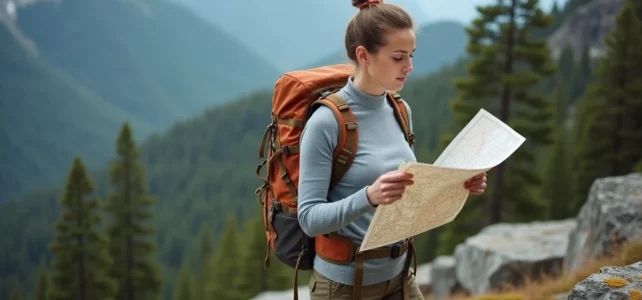
What types of activities distinguish a prolonged nomadic adventure from a simple tourist trip? The answer lies less in the destination than in how each day alternates between active discovery, local immersion, and downtime. Nomadic activities are measured along three axes: physical intensity, cultural grounding, and compatibility with a mobile lifestyle.
Slowmading and outdoor activities: two rhythms of nomadic adventure compared
Slowmading, a practice where one settles for several months in the same place to alternate remote work and exploration, redefines the notion of adventure. According to Français à l’Étranger, over 40 million people will work remotely while regularly changing their living location in 2026. The main hubs are Lisbon, Chiang Mai, Mexico City, Bali, and Tbilisi.
Further reading : The best leisure ideas to discover for a daily escape
In comparison, classic adventure travel chains together spots and physical activities over short stays. These two approaches do not engage the same types of activities.
| Criterion | Slowmading (fixed base) | Itinerant Adventure |
|---|---|---|
| Typical duration | Several weeks to several months | One to three weeks |
| Physical activities | Local hiking, biking, yoga, surfing | Trekking, rafting, climbing, camping |
| Cultural immersion | Language courses, markets, neighborhood life | Occasional meetings, local guides |
| Logistics | Long-term rentals, coworking | Diverse accommodations, frequent transport |
| Cost per day | Lower (duration effect) | Higher (high intensity) |
To explore the activities offered by E-Nomad, this distinction between slow rhythm and itinerant rhythm helps choose experiences suited to one’s own travel style.
Recommended read : Understanding the Differences Between Administrative Circulars and Instructions: A Practical Guide for Professionals
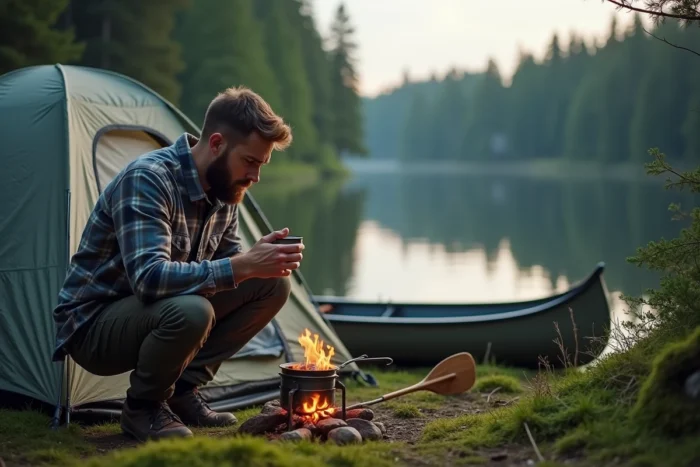
Hiking, micro-adventure, and camping: nomadic activities accessible without a plane
A study by Expedia Group reported by infotravel.fr indicates that in 2026, travelers express a strong preference for experiences in nature and calm destinations. This trend fuels demand for low-carbon activities that can be done without a plane or car.
Hiking remains the most practiced nomadic activity, regardless of profile. It only requires a backpack and a suitable pair of shoes. In France and across Europe, marked trails allow for several days of independent hiking.
Micro-adventure: the short format for a mobile lifestyle
Micro-adventure involves going away for one to three days, often close to one’s temporary residence. Camping in the mountains, kayaking down a river, spending a night in a hammock in a forest: the principle is based on logistical simplicity.
- Camping at altitude with lightweight gear, ideal for testing an area before settling there for a longer period
- Kayaking or canoeing on local waterways, an activity feasible in most European regions
- Nocturnal hiking or short trails, which offer a different perspective on a landscape already explored during the day
These short formats easily integrate into the daily life of a digital nomad who splits their week between work and exploration.
Local immersion and slow travel: cultural activities that ground the adventure
Nomadic adventure is not limited to physical effort. Extended cultural activities – local cooking classes, craft workshops, learning a language on-site – create a grounding that traditional tourism does not allow.
Offers for low-carbon travel emphasizing night trains and meetings with locals are multiplying. Agencies specializing in slow travel offer itineraries without flights, where the journey is part of the experience.
Cultural activities to prioritize during an extended stay
A stay of several weeks in the same city allows access to activities that passing travelers overlook. Participating in a weekly market, taking a group dance or pottery class, or simply visiting the same café every morning transforms the relationship with the place.
Extended cultural immersion differentiates the nomad from the tourist. The five major hubs of slowmading (Lisbon, Chiang Mai, Mexico City, Bali, Tbilisi) concentrate a dense offer of cultural activities accessible to foreigners, with expatriate communities structured around coworking spaces and local events.
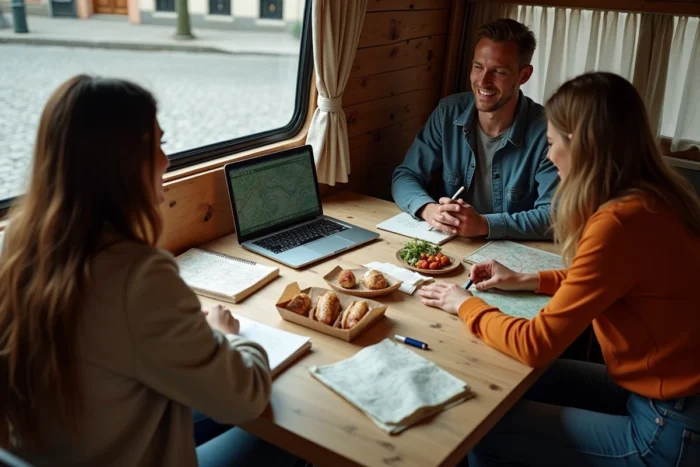
Family and solo activities: adapting the nomadic adventure to one’s profile
The choice of activities directly depends on the composition of the group. A solo nomad will favor high-intensity activities (trekking, climbing, motorcycle travel) or social experiences (hostels, meetings between travelers). A family with children will orient their program towards activities suitable for all ages.
- Solo: multi-day trek, surfing or diving courses, participation in yoga retreats in destinations like Bali or Portugal
- Family: short hike with a French-speaking guide, visiting natural parks, discovery workshops for children in equipped destinations
- Couple: cycling tours, eco-lodge stays, exploring wine or agricultural regions with homestays
Solo travel represents a growing share of nomadic adventure. Specialized platforms offer itineraries designed for individual travelers, with small groups and local guides.
Destinations and activities: disparities by world regions
In Southeast Asia, the low cost of living allows for accumulating activities without exceeding a tight budget. In Europe, the density of hiking trails and the rail network compensate for higher prices with simplified logistics.
Latin America offers a balance between the two, with varied outdoor activities (volcanoes, tropical forests, coastlines) and intermediate costs. Each region imposes a trade-off between budget, accessibility, and diversity of activities.
The choice of a nomadic adventure rests on a concrete triptych: the rhythm one imposes, the activities one practices daily, and the duration one stays in the same place. Data from 2026 confirm a shift towards longer stays, more locally grounded, where hiking and cultural immersion take precedence over the accumulation of tourist sites.