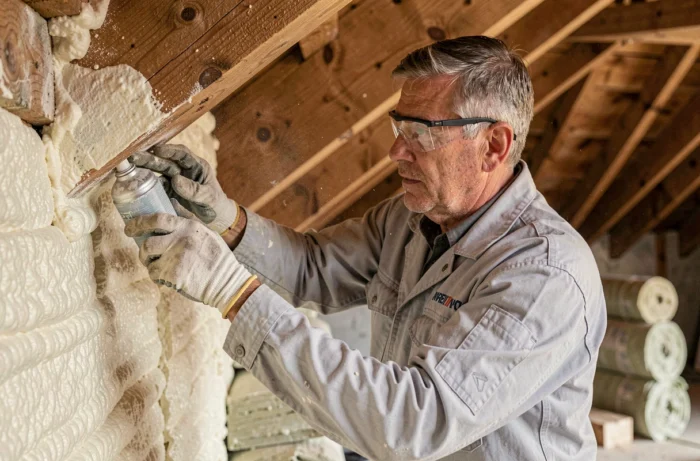
Thermal renovation refers to all the work aimed at reducing heat loss in a building and improving its overall energy efficiency. It includes wall insulation, replacement of heating systems, ventilation, and, in some cases, renewable energy production. Since the Climate and Resilience Law, this work is no longer just about comfort: it determines the ability to rent or sell a property classified as an energy sieve.
Energy audit and DPE: two diagnostics not to be confused
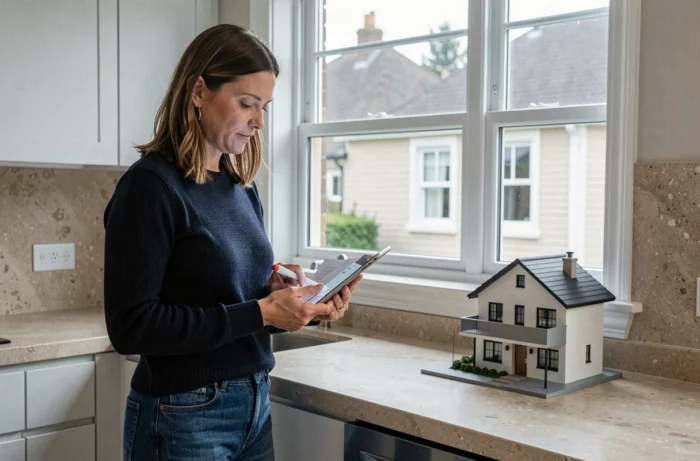
The energy performance diagnosis (DPE) assigns a rating from A to G to the property. It is mandatory for any sale or rental. The energy audit goes further: it details the work scenarios, their estimated costs, and the expected performance gains.
The distinction has concrete consequences. The energy audit is now mandatory for the sale of individual houses classified F or G, and this obligation has extended to class E since 2025. An extension to class D is scheduled for 2034. If you plan to sell a poorly rated property, the audit must be conducted before the sale, not after.
Another recent development: since 2026, the collective DPE is mandatory for condominiums with a maximum of 50 lots. For an apartment in a condominium, this collective diagnosis can change the individual renovation strategy, as it identifies losses in the common areas (roof, facade, collective heating network). As detailed in the energy renovation plan for buildings on Vraiment Sympa, these regulatory obligations now structure all thermal renovation projects.
Thermal insulation: where to start the work
Insulation is the area that generates the most significant energy savings. The roof is the primary source of heat loss in a single-family home, followed by walls and windows. Addressing these three areas in the correct order prevents oversizing the heating system installed afterward.
Roof and attic
Insulating lost attics is the most cost-effective action: the ratio between the cost of the work and the reduction in consumption is generally the best among all areas. Blown-in insulation is suitable for non-convertible attics. For habitable attics, rigid or semi-rigid panels under the slopes provide durable performance.
Walls and ground floors
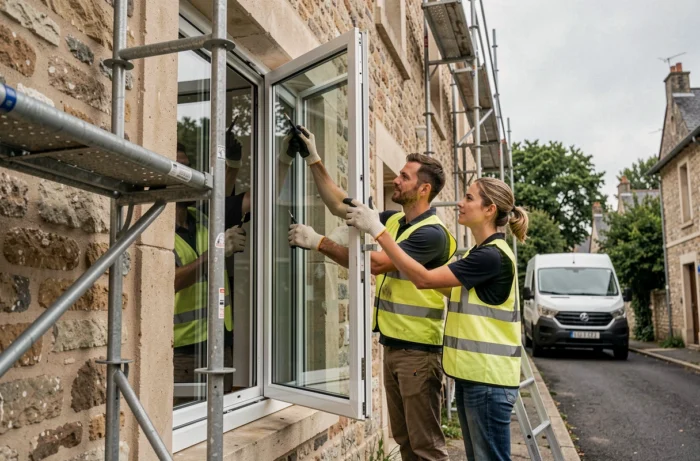
External wall insulation eliminates the majority of thermal bridges, these junction areas where heat escapes between two walls. Internal insulation remains an alternative when the facade cannot be modified (building in a protected area, condominium without voting agreement). Ground floors, often neglected, also deserve special attention in houses with unheated crawl spaces or basements.
Ventilation and heating: the pair to be addressed together
Insulating a home without adjusting the ventilation creates a risk of condensation and mold. A better-insulated home must be better ventilated, not less. The double-flow mechanical ventilation (VMC) recovers heat from the extracted air to preheat the incoming fresh air, which limits losses related to air renewal.
The heating system is sized after insulation, not before. A home whose losses have been reduced by insulation requires much less heating power. Installing a heat pump or a high-performance boiler in a poorly insulated building is like heating a sieve.
Three criteria guide the choice of heating system:
- The available energy source (gas network, electricity only, possibility of connecting to a district heating network)
- The configuration of the home (presence of an existing hydraulic circuit for radiators, outdoor space for an air-water heat pump unit)
- The level of thermal performance aimed for after insulation, which determines the necessary power and thus the type of suitable equipment
Thermal renovation and regulatory calendar: what changes for landlords
The Climate and Resilience Law has established a progressive calendar for banning rentals for the most energy-intensive properties. Properties classified G in the DPE are already considered energy-inefficient. Properties classified F will follow, then those classified E according to a staggered schedule.
For landlord owners, thermal renovation is therefore no longer optional. The rent freeze already applies to properties classified F and G: no increase is possible without prior work bringing the property to a better class. These constraints make planning the work all the more strategic.
Regulated advertising for professionals
Starting in October 2026, professionals advertising energy renovation work will need to reference the public service France Rénov’. This obligation aims to better guide households and limit misleading commercial practices, a recurring issue reported by the DGCCRF in this sector.
Financial aid: MaPrimeRénov’ and global renovation
MaPrimeRénov’ remains the main aid scheme for thermal renovation. The program distinguishes two pathways:
- The gesture pathway, which finances an isolated item (insulation, heating change, installation of a VMC)
- The accompanied pathway, intended for global renovations with a minimum gain of two energy classes in the DPE, which grants access to higher amounts of aid
- The zero-interest eco-loan (éco-PTZ), which can be combined with MaPrimeRénov’, allowing financing of the remaining costs without interest
Global renovation provides access to the highest aids, but it requires support from an approved operator (Mon Accompagnateur Rénov’) and a prior energy audit. The gesture pathway remains accessible for one-off work, with more modest amounts.
A point of caution concerns companies labeled RGE (Recognized Guarantor of the Environment): using a certified RGE craftsman is a condition of eligibility for almost all public aids. Checking this certification before signing a quote prevents losing the benefit of subsidies afterward.
Thermal renovation is part of a regulatory framework that tightens each year. Anticipating deadlines, starting with a reliable diagnosis, and addressing insulation before heating remains the most effective sequence for sustainably reducing a home’s energy consumption.