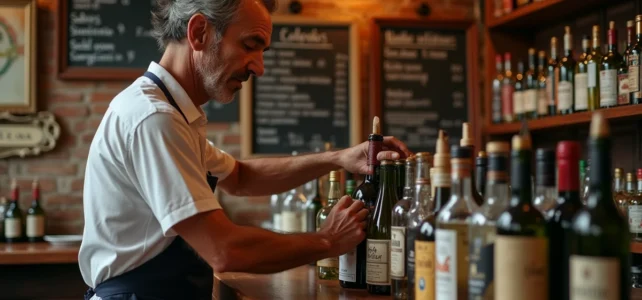
A full tank of gas, an empty trunk, and the direction of La Jonquera: the reflex of French cross-border commuters hasn’t changed for years. The price gap on alcohol between France and Spain remains a reality in 2026, but the conditions of the journey have shifted. With European tax adjustments, customs thresholds, and travel costs, let’s take stock of what is still worth the trip.
Alcohol Taxation in Spain and France: What Continues to Widen the Gap
The price of a bottle of spirits on the shelf primarily depends on the excise duties applied by each country. France heavily taxes alcohol, driven by public health and budgetary revenue considerations. Taxes on alcohol and tobacco brought in only about 3 billion euros to the French budget according to a report shared by Le Monde in early 2026, an amount deemed modest compared to initial targets.
Further reading : Will swimming at the Cascade de la Vis still be possible in 2026?
Spain, on the other hand, maintains significantly lower excise duties. Several European member states are adjusting their tax policies on psychoactive substances, as highlighted in the 2026 report from the European Monitoring Centre for Drugs and Drug Addiction. This increasing tax pressure in some countries mechanically consolidates Spain’s price advantage, particularly on whiskies, rums, and other spirits.
A detailed comparison of the price of alcohol in Spain according to En Route pour l’Asie confirms this trend for the most common brands.
Recommended read : Experience the rage room in Lyon: the new stress-relief activity to discover in 2026
Feedback varies on the exact magnitude of the difference depending on product categories, but the observation remains the same: spirits are still significantly cheaper on the Spanish side. For wine, the gap is often less pronounced, as France produces locally at competitive prices.
Customs Thresholds for Alcohol Brought Back from Spain: Allowed Quantities in 2026
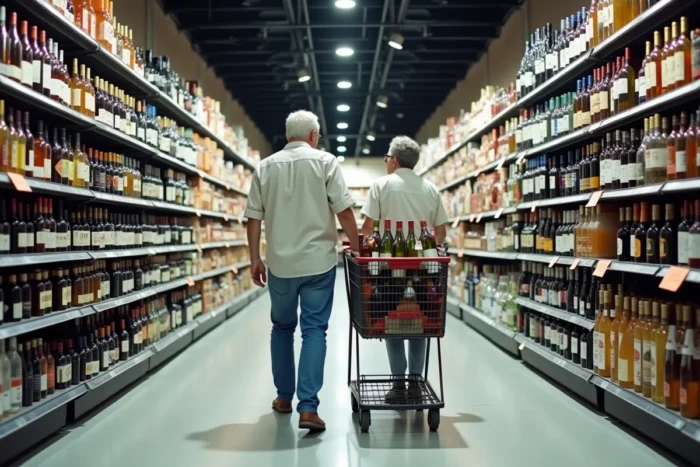
Crossing the border does not exempt you from knowing the rules. French customs sets indicative thresholds per person and per vehicle. According to the official customs website, the maximum quantities allowed for an individual bringing alcohol from an EU country are as follows:
- 10 liters of spirits (whisky, vodka, rum, gin, etc.)
- 20 liters of intermediate products (port, vermouth, etc.)
- 90 liters of wine (including a maximum of 60 liters of sparkling wine)
- 110 liters of beer
These reference values are set at the European level. Each member state can define its own thresholds, but they cannot be lower than the community values. Beyond these limits, customs officers may consider that the products are no longer intended for personal use and demand payment of French excise duties.
Personal Use or Resale: What Customs Checks
The packaging, mode of transport, and overall quantity serve as indicators. A trunk filled with identical bottles of the same whisky brand draws attention. Customs also assesses whether you own or work for a commercial enterprise. No prior declaration is required as long as you stay within the thresholds, but the burden of proof rests on the traveler in case of a check.
Actual Cost of the Trip to La Jonquera: The Calculation No One Makes
People often talk about the price of bottles, rarely about the total cost of the round trip. From Perpignan, the journey remains short. From Toulouse or Montpellier, the bill rises: tolls, fuel, vehicle wear, time spent.
For the operation to be profitable, you need a sufficiently substantial shopping basket. Bringing back two bottles of whisky does not cover the costs of a several-hour trip. However, a group purchase among neighbors or family, optimizing the thresholds per person in the vehicle, changes the equation.
Differentiated Inflation Between France and Spain
The European inflation barometers of 2026 show different rates of increase across eurozone countries. This dynamic directly impacts the retail price gap. If Spanish prices are rising more slowly than French prices on food and alcohol, the financial incentive to cross into Spain remains, if not strengthens.
Which Alcohols to Buy in Spain: Spirits, Wine, and Beer
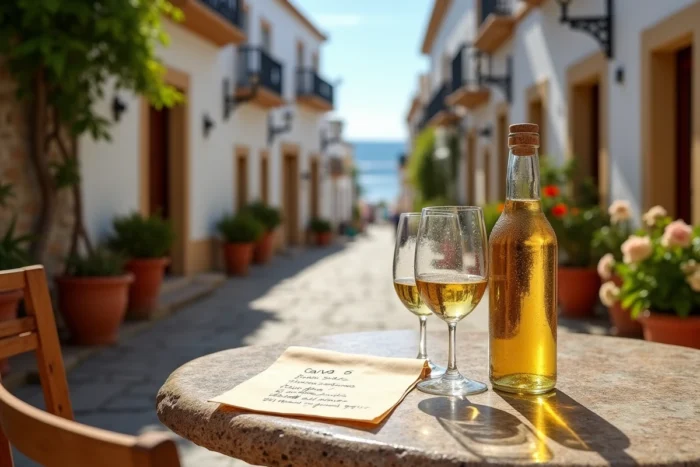
Not all products are worth the trip. The price gap is greatest on international brand spirits: whiskies, rums, vodkas. Large Spanish supermarkets, especially around La Jonquera, offer wide ranges at prices significantly lower than those in France.
For wine, the situation is more nuanced. Spanish wines with designation (Rioja, Ribera del Duero, Priorat) offer excellent value for money, but a Bordeaux or Burgundy enthusiast may not find what they are looking for. Beer, on the other hand, presents a modest differential that does not alone justify the trip.
- Common brand whiskies show the clearest price differences between the two countries
- Rums and vodkas follow the same logic, with a marked price advantage in Spain
- Spanish wines are worth the trip for their own quality, not just for the price
- Beer remains an opportunistic purchase, rarely the main driver of the trip
Declining Consumption, Cross-Border Purchases in Question
Alcohol consumption in France has been on a downward trend for several years. This decline weighs on the volumes brought back from Spain: cross-border commuters may be buying less in quantity, but they continue to target products where the price gap remains most visible. Whisky and spirits account for the majority of cross-border purchases.
Crossing the border for alcohol remains a viable operation in 2026, provided you think in terms of total cost and fill the trunk intelligently. For residents of the Southwest close to the border, the La Jonquera reflex still makes sense. For those living more than two hours away, the real savings depend on the volume purchased and the number of passengers in the vehicle.